Colega Theme Review: A Developer's Deep Dive into the Creative Portfolio Machine - Free
Colega Theme Review: A Developer's Deep Dive into the Creative Portfolio Machine
Every so often, a WordPress theme lands on the scene promising to be the definitive solution for creatives. It boasts slick animations, pixel-perfect typography, and a "one-click" setup that will supposedly have your portfolio live before your coffee gets cold. The latest contender in this crowded arena is the Colega - Creative Portfolio WordPress Theme. It's marketed towards agencies, freelancers, and anyone with a visual story to tell. But as developers, we know the marketing pitch is one thing; the reality of bloated code, convoluted options panels, and performance nightmares is often another. So, I’m pulling Colega into the workshop, stripping it down to its core components, and seeing if it’s a finely-tuned engine or just a shiny chassis with a lawnmower motor inside.
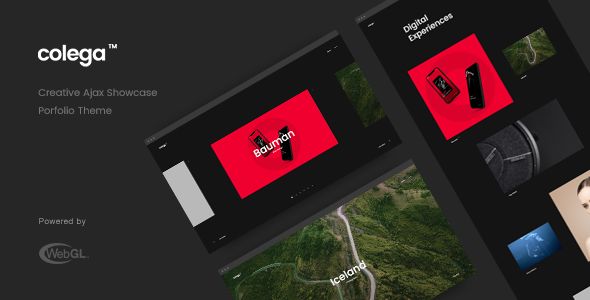
This isn't your typical surface-level review. We're going beyond the live demo. We'll cover the full installation process, poke around in the theme options, analyze its reliance on Elementor, and discuss the real-world performance you can expect. Let's get our hands dirty.
Part 1: The Showroom Floor - First Impressions and Demo Analysis
Before installing anything, the first stop is always the theme's demo pages. This is the sales pitch, the idealized version of what your site could be. Colega presents a collection of clean, modern, and distinctly minimalist demos. They lean heavily on whitespace, strong typography, and subtle, fluid animations. This is a design language that speaks to high-end creative agencies and discerning freelance designers.
Here’s what stands out from the demos:
- Aesthetic Cohesion: The demos, while varied in layout (from agency homepages to single-project case studies), all feel like they belong to the same family. The design is confident and doesn't try to do too much. It avoids the garish, "everything but the kitchen sink" approach that plagues so many multipurpose themes.
- Motion and Interactivity: The use of GSAP (GreenSock Animation Platform) or a similar library is apparent. Page transitions are smooth, scroll-triggered animations are tasteful, and hover effects are engaging without being distracting. This is a major selling point for a portfolio theme, as it adds a layer of professionalism and polish.
- Typography Focus: The theme puts typography front and center. Large, bold headlines are paired with clean, legible body copy. This shows an understanding that for many designers and agencies, type is as much a part of the brand as the logo.
- Elementor Showcase: It's immediately clear that Colega is built around Elementor. The complex grid layouts, custom-styled modules, and dynamic content showcases are all hallmarks of a theme that leverages the page builder to its fullest. This is both a strength and a potential weakness, which we'll dissect later.
The initial impression is strong. Colega looks the part. It looks expensive, professional, and contemporary. But a pretty demo can hide a multitude of sins. The real test begins when we move from the showroom to the garage.
Part 2: The Installation Guide - From Zero to Functional Site
This is where theory meets practice. A painful setup process can kill a project's momentum before it even starts. Let's walk through the setup, step-by-step, highlighting the potential gotchas for developers.
Step 1: Prerequisites and Acquiring the Theme
Before you even think about uploading a file, check your server environment. For a modern, Elementor-based theme like Colega, you shouldn't be running on bargain-bin hosting. I recommend:
- PHP 7.4 or higher (PHP 8.x is ideal)
- WordPress 5.8 or higher
memory_limit: 256M or more. Elementor and its addons can be memory hogs.max_execution_time: 180 seconds. This is crucial for preventing timeouts during the demo import process.post_max_sizeandupload_max_filesize: 64M or higher.
Once your environment is ready, you need the theme files. You can get them from ThemeForest or from a GPL club like gpldock, which provides a more cost-effective way to access premium themes for testing and development. The downloaded package should be a zip file, typically named something like themeforest-xxxxxxxx-colega...zip.
Step 2: Unpacking and Uploading
Do not upload this main zip file directly to WordPress. This is a classic rookie mistake. Unzip it first. Inside, you'll find a folder structure that usually contains:
colega.zip: This is the parent theme. This is the file you install.colega-child.zip: The child theme. Always use the child theme. I can't stress this enough. It allows you to make custom CSS or function modifications without them being overwritten every time the parent theme updates.Documentationfolder: Your manual. Hopefully, it's comprehensive.PluginsorIncludesfolder: Often contains the required plugins, sometimes in.zipformat.Licensingfolder: The legal stuff.
Now, log in to your WordPress dashboard:
- Navigate to Appearance > Themes > Add New.
- Click Upload Theme.
- Upload
colega.zipfirst. Click Install Now but do not activate it. - Return to the Themes page (
/wp-admin/themes.php). - Click Add New again, upload
colega-child.zip, and install it. - Now, activate the Colega Child theme.
Activating the child theme ensures the parent theme's functions are loaded, but any changes you make will be isolated and safe within the child theme's style.css

相关文章
热门文章

热门问题

等待解答
推荐专家